Innovation · Apr 2, 2026
Modern AI Interviews: When the Best Interviewer in the Room Is Available 24x7
The best modern AI interviews feel closer to a sharp human interviewer than a stiff bot: they listen, react, probe, and adapt in real time—paired with smart proctoring for trustworthy signal at scale.
Author
Achin Agarwal
Published
Apr 2, 2026
Reading time
4 min read
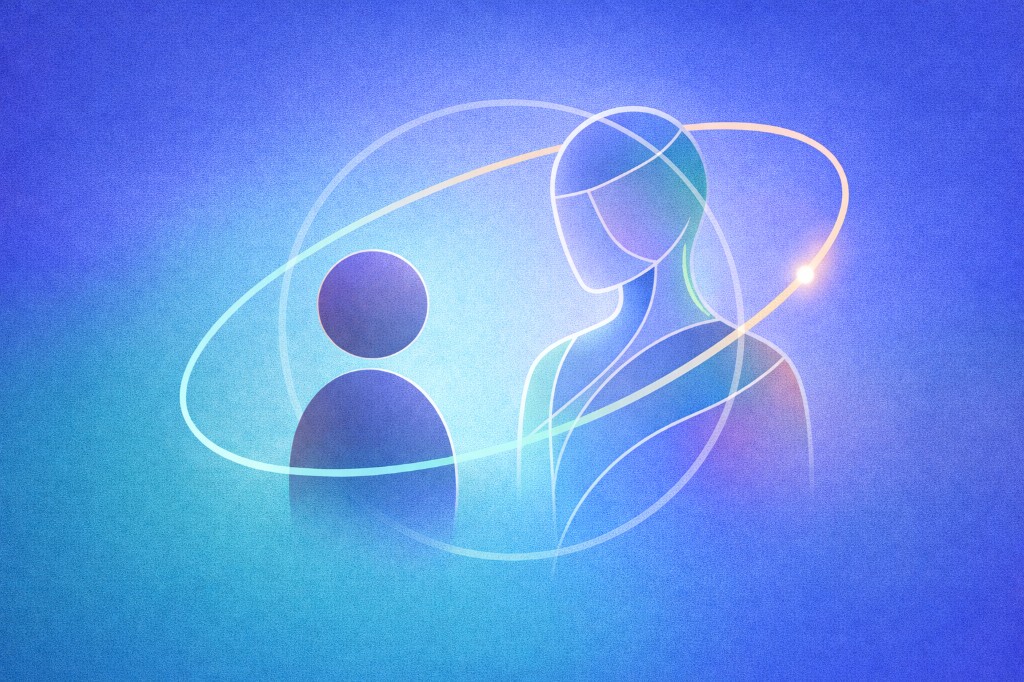
Most people still imagine an AI interview as a stiff bot reading questions off a screen. That picture is already outdated.
The best modern AI interviews feel far closer to a smart human interviewer. They listen. They react. They notice when a candidate is making a genuine effort and encourage them forward. They notice when the answer is drifting and gently bring it back on track. And when someone tries to dodge the real question, they do not let them slip away that easily.
They probe. They clarify. They challenge. Sometimes they warm the candidate up. Sometimes they push harder. All in the same conversation.
"The breakthrough is not that AI can ask questions. It is that AI can now interview like a sharp, attentive human."
What an AI Interview Actually Is
An AI interview is not just a digital questionnaire. In its strongest form, it is a live conversational assessment. The system asks a question, interprets the response, and decides what to do next. If the answer is shallow, it goes deeper. If the candidate is vague, it asks for specifics. If the candidate is thoughtful but slightly off course, it guides them back without breaking the flow.
This is what makes modern AI interviews powerful. They are not limited to a script. They behave more like a trained interviewer who is fully present in the conversation and constantly making judgments in real time.
Why They Feel Surprisingly Human
Great human interviewers do much more than ask prepared questions. They read tone. They reward genuine effort. They know when to slow down, when to push, and when to ask, "Hold on, can you explain that more clearly?"
Modern AI interviews are now capable of the same rhythm. The interviewer can sound encouraging when a candidate is trying to reason through a difficult problem. It can show firmness when the candidate starts deflecting. It can ask follow-ups that feel natural, not mechanical. Even the tone matters. The best systems do not sound cold. They sound engaged.
That changes the candidate experience completely. Instead of speaking into a dead interface, candidates feel like they are in a real conversation, one that demands thought, rewards sincerity, and exposes surface-level bluffing very quickly.
The Other Half of the Story: Smart Proctoring
Conversation alone is not enough. A brilliant interview means little if the system cannot trust what it is seeing and hearing.
That is why modern AI interviews need smart proctoring around them. Identity verification confirms the candidate is the right person. Browser restrictions reduce easy access to outside resources. Screen monitoring and behavioral analysis help detect suspicious patterns. Audio signals can reveal coaching or interference. Together, these layers create something older interview tools never really achieved: confidence.
Not just confidence that an interview happened. Confidence that the person answering is the person being evaluated, and that the conversation reflects real capability.
What This Unlocks for Hiring Teams
Here is where it gets dramatic.
You now have an interviewer who can run rich, probing, emotionally aware conversations at any hour of the day. No scheduling bottleneck. No interviewer fatigue. No inconsistency across candidates. The same depth. The same rigor. The same standards. Again and again.
A candidate in Bangalore can interview at midnight. A candidate in California can interview before breakfast. A hiring team can review evidence-backed outputs the next morning. What used to require endless coordination can now happen continuously, globally, and at scale.
That is the real power of modern AI interviews. Not automation for its own sake. Better judgment, better consistency, better candidate experience, and much more signal, all without waiting for calendars to align.
The best ones do not feel like software. They feel like an excellent interviewer who never gets tired, never loses focus, and is ready whenever the candidate is.
Want to see what a truly conversational AI interview looks like?
14-day free trial · No credit card required
Latest insights
View all insights →
The Interview Is the Last Place You Should Be Evaluating Someone
By Nandini Vashistha
Interviews were never meant to verify resumes and skills. When earlier stages do that work, hiring managers finally get to evaluate the person - not prove they belong in the room.
Read insight
Imagine If the Olympics Worked Like Hiring
By Nandini Vashistha
Resumes are training history, not the race. Fair hiring means the same rules, the same track, and evidence of who can actually do the job.
Read insight
The Hidden Cost of Traditional Hiring That Most HR Teams Never Measure
By Nandini Vashistha
The biggest hiring cost is not job boards or agency fees. It is waiting - and the great candidates who accept another offer before yours ever goes out.
Read insight© 2026 Xquizit. All rights reserved | ALGO ONE AI PRIVATE LIMITED