Hiring · Apr 3, 2026
7 Remote Hiring Assessment Mistakes That Quietly Break Your Hiring
Remote hiring assessments look efficient on the surface, but poor design lets weak candidates through, screens out strong ones, and burns recruiter time. Here are seven mistakes teams still make—and what better teams do instead.
Author
Achin Agarwal
Published
Apr 3, 2026
Reading time
3 min read
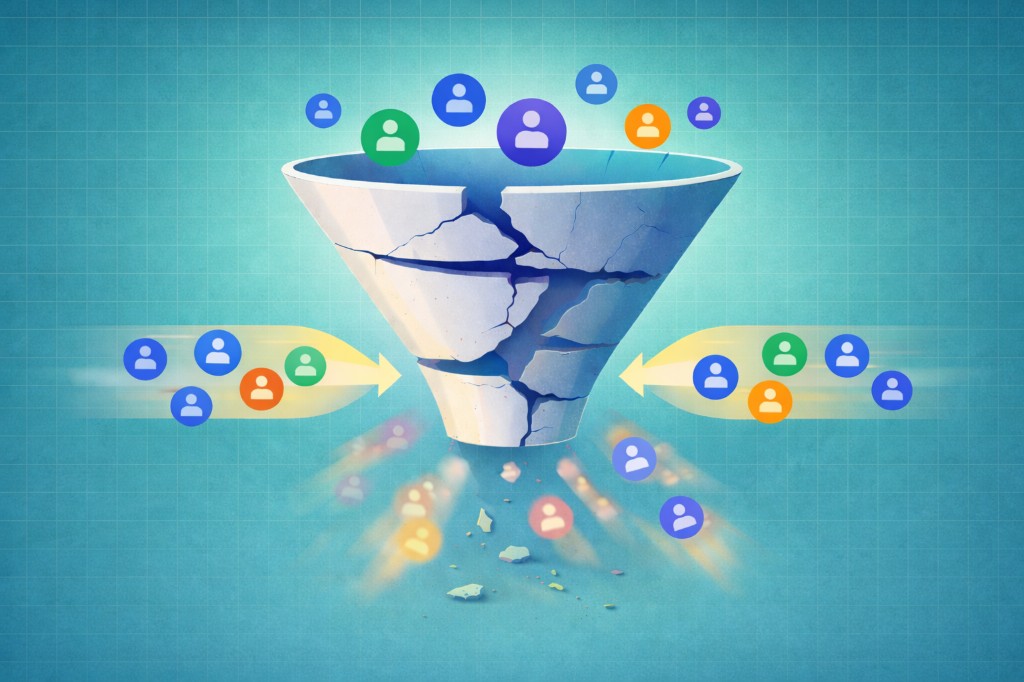
Remote hiring assessments are now a standard part of hiring. But most teams are still making the same mistakes. The process looks efficient on the surface, yet weak candidates slip through, strong candidates get screened out, and recruiters waste far more time than they realize.
The problem is not remote assessment itself. The problem is poor design. A good assessment should do more than test candidates. It should reveal who can actually do the job, who understands their own work, and who is simply good at looking prepared.
"The fastest way to damage hiring quality is to trust an assessment system that produces scores without producing real signal."
Where Teams Go Wrong
1. Using generic tests for specific roles. A broad test for a narrow role creates weak signal. Backend, frontend, data, support, ops, all need different evaluation.
2. Treating cheating like a side issue. In remote settings, candidates can use another tab, another device, or another person. Basic webcam monitoring is not enough anymore.
3. Making the process painfully sequential. Resume review. Then a screen. Then a test. Then another wait. Good candidates disappear while the team is still scheduling.
4. Accepting correct answers without verifying understanding. A candidate can submit the right answer without truly understanding it. In technical hiring, that gap matters a lot.
5. Scoring candidates without evidence. Vague notes and gut feel are not enough. "Seemed good" is not a hiring system.
6. Forcing everything to happen live. Real-time interviews create friction, slow the funnel, and exclude strong candidates who simply do not have flexible schedules.
7. Testing juniors and seniors the same way. When the level is wrong, juniors look weaker than they are and seniors never get the chance to show real depth.
What Better Teams Do Instead
They use JD-tuned assessments instead of generic libraries. They layer smart proctoring across the process with identity checks, browser controls, screen monitoring, and behavioral signals. They use autonomous interviews and asynchronous workflows to reduce scheduling drag. And they verify reasoning, not just output.
Good remote assessment is not about copying an old in-person process onto a screen. It is about redesigning the process for a world where speed, rigor, flexibility, and trust all matter at once.
Get that right, and remote hiring becomes a real advantage. Get it wrong, and the entire funnel starts lying to you.
Want to build remote assessments that actually work?
14-day free trial · No credit card required
Latest insights
View all insights →
The Interview Is the Last Place You Should Be Evaluating Someone
By Nandini Vashistha
Interviews were never meant to verify resumes and skills. When earlier stages do that work, hiring managers finally get to evaluate the person - not prove they belong in the room.
Read insight
Imagine If the Olympics Worked Like Hiring
By Nandini Vashistha
Resumes are training history, not the race. Fair hiring means the same rules, the same track, and evidence of who can actually do the job.
Read insight
The Hidden Cost of Traditional Hiring That Most HR Teams Never Measure
By Nandini Vashistha
The biggest hiring cost is not job boards or agency fees. It is waiting - and the great candidates who accept another offer before yours ever goes out.
Read insight© 2026 Xquizit. All rights reserved | ALGO ONE AI PRIVATE LIMITED